Linkbuds Truly Wireless Honest Review — Is the Hype Justified?
I've been using the Linkbuds Truly Wireless earbuds every day for the past several months, and I wanted to write a clear, no-nonsense review from the perspective of someone who actually bought and lived with them. There has been a lot of buzz about these earbuds because of their unusual design and Sony's marketing around “always-connected listening.” I was curious if they would really change how I use earbuds day to day or if the hype was mostly marketing. What I found was a mix: brilliant ideas and practical trade-offs. Below I walk through my experience in detail — what I loved, what frustrated me, and who will genuinely benefit from these.
First impressions and daily wear
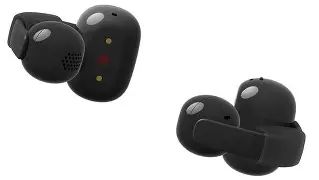
Out of the box the Linkbuds felt immediately different. Instead of the conventional sealed in-ear tip, they have a very small, lightweight housing with an open-ring driver (there’s an obvious hole/slot in the face of the earbud). My first reaction was, “These are designed to be worn all day.” The buds are tiny and featherlight, and that matters: after several hours of calls, walking around town, and working from coffee shops, I rarely felt ear fatigue. I wore them on commutes, at my desk, and during short workouts — they stayed comfortable for long stretches.
Fit-wise they aren’t one-size-fits-all. I have narrow ear canals, and the Linkbuds sat fairly securely for me without pushing deep. If you’re used to snug silicone tips that form a seal, these will feel looser. That’s by design: they prioritize situational awareness and comfort over an airtight seal. For many days that’s exactly what I wanted, but I also noticed the trade-offs (more on that below).
Sound: character and real-world listening
Sound is where enthusiasts will either praise or criticize these earbuds depending on expectations. In my experience the Linkbuds favor clarity and midrange presence over heavy low-end punch. Vocals, podcasts, and mid-centric acoustic music sound very natural and intelligible — useful when I’m listening while cooking or working and still need to hear my surroundings.
What I found was that bass is present but restrained. Tracks that rely on deep sub-bass or heavy, club-style low end feel thinner than on sealed ANC earbuds. If you love pounding electronic music or hip-hop with chest-thumping bass, you’ll notice that the Linkbuds don’t push that vibe. On the upside, the mids are uncolored and things like spoken-word podcasts, dialogue-heavy TV, and acoustic tracks sound refreshingly open.
Because the design lets external sound in, soundstage and imaging feel “outside” rather than trapped inside your head — that’s pleasant for casual listening. However, if you want isolation and a more immersive soundstage for critical listening, these won’t replace over-ear headphones or sealed in-ear monitors.
Ambient awareness and what “always-connected” really means
This is where the Linkbuds shine for me. The open design and Sony’s ambient processing means I can hear announcements on trains, hear colleagues calling my name in the office, and still enjoy a podcast. I was surprised by how little I had to adjust volume when crossing busy streets or speaking to someone — I could keep one earbud in and have a conversation without pausing playback.
I appreciated this more than I expected during errands and walks. It reduced the friction of pausing and rewinding, and it made the earbuds feel like a supplement to my life, not a wall. There’s a philosophical difference here: Linkbuds are about blending audio with life, not shutting life out.
Noise cancellation, transparency modes, and call quality
One disappointment for some will be ANC — or rather, the lack of strong ANC in this design. Because the earbuds are open by design, active noise cancellation is inherently limited. If you’re on a noisy flight or trying to ignore a loud coffee shop, the Linkbuds will not be as effective as sealed ANC earbuds. In quiet to moderately noisy environments, however, the ambient pass-through and voice pickup are excellent for conversation and awareness.
Shop the latest Audio & Headphones picks on Amazon.
View Offers →Call quality was broadly solid for my use. On quiet streets and inside offices callers reported my voice sounded clear and natural. In windy conditions, the microphones struggled more than on my phone’s built-in mic or some high-end ANC earbuds with advanced wind suppression; I had to cup my hand or step into a sheltered spot. For most day-to-day calls, though, they were reliable.
Battery life and case behavior
After several months, my real-world battery numbers settled into a pattern: I typically got multiple days of moderate use (2–3 hours per day) out of a single charge, and the charging case gave me a couple of full top-ups. For extended heavy use — long calls, frequent media streaming — I’d see a single-day drain that required returning the buds to the case for a midday top-up. Charging speeds are reasonable but not blisteringly fast.
One thing I noticed over months of use: battery health appears normal — there was no dramatic degradation in the short term — but like all small battery devices, expect some gradual decline after a year or two of heavy daily use.
Controls, app, and features
Touch controls take some getting used to. I found single taps and double taps effective for play/pause and skipping tracks, but long-press gestures occasionally misfired if I wasn’t exactly still. The Sony Headphones Connect app provides EQ adjustments, presets, and some useful smart features. I like that I could tweak the sound to add more bass when I wanted it, although EQ boosts can’t fully replace the physical isolation that gives bass more impact.
Multipoint (if present in your firmware) improves the experience by letting me switch between laptop and phone without constant pairing. The Bluetooth connection itself felt stable in my daily environment; I rarely experienced dropouts with short-range usage. Latency was acceptable for video on most platforms, but hardcore mobile gamers might notice a small lag compared to gaming-focused low-latency buds.
Durability and daily life
The matte finish on the case and earbuds held up well against pocket lint and light scuffs. I treated them like any small electronic and avoided dropping them, and after several months there were no cosmetic failures. They are water-resistant to a degree (I used them during sweaty runs and in light rain) but I wouldn’t intentionally submerge them. The tiny form factor makes them easy to lose in a bag, so I learned to keep the case in a specific pocket.
Pros & Cons
- Pros:
- Exceptional comfort for long-wear; I could forget they were in.
- Situational awareness is excellent — I didn’t need to pause for many short interactions.
- Clear mids and vocals; great for podcasts, calls, and voice-forward content.
- Lightweight, discreet design that suits active urban life.
- Decent app support for EQ and customization.
- Cons:
- Bass and isolation are limited compared with sealed ANC earbuds — not ideal for bassheads.
- Active noise cancellation (if present) is weak due to the open design.
- Touch controls can be finicky in motion or while walking.
- Windy call quality can suffer; microphones are average in harsh conditions.
- Not the best choice for those who want complete audio immersion.
How Linkbuds compare: quick table
| Feature | Linkbuds Truly Wireless (my experience) | Typical ANC Earbuds (e.g., AirPods Pro / Sony WF series) | Best Fit For |
|---|---|---|---|
| Fit & comfort | Very lightweight, low fatigue, not deeply sealed | Deeper seal, can cause ear fatigue for long sessions for some people | People who wear buds all day and need situational awareness |
| Sound signature | Clear mids, restrained bass, open presentation | Thicker bass, more immersive and punchy | Podcast listeners, commuters vs. bass-heavy music fans |
| Noise cancellation | Limited by design | Strong ANC available on premium models | Travelers and noisy-environment users vs. urban multitaskers |
| Ambient awareness | Excellent — designed for it | Good, but usually requires transparency mode | People who need to hear surroundings without removing buds |
| Battery life | Moderate — lasts through typical day, case provides extra charges | Varies; many premium ANC buds offer similar or slightly longer times | Moderate daily use; heavy users may prefer higher-capacity cases |
| Call quality | Generally good; struggles in strong wind | Often better with advanced mic arrays and wind reduction | Office calls and casual outdoor calls |
Who should buy Linkbuds — and who should not
In my experience the Linkbuds excel for a specific kind of user. They are perfect if you:
- Want earbuds you can wear all day without fatigue.
- Listen to a lot of spoken-word content — podcasts, audiobooks, long calls — and value clarity over thumping bass.
- Need to stay aware of your environment — commuters, office workers, parents who want to stay tuned to their surroundings.
- Prefer a lightweight, discreet earbud you can forget about while it quietly plays in the background.
They are not ideal if you:
- Prioritize strong active noise cancellation for planes, loud environments, or deep focus sessions.
- Are a bass-first music listener who wants strong sub-bass impact without EQ compromises.
- Need rock-solid microphone performance on windy outdoor calls.
Buying guide — what to consider before you buy
1. Decide your primary use case
Ask yourself whether you want isolation or integration. If most of your listening is during focused, private sessions (flights, noisy cafes), pick sealed ANC earbuds. If you want audio that integrates with your day (walking, office, commuting), Linkbuds are a compelling option.
Discover deals on Audio & Headphones — updated daily.
See Deals →2. Think about sound preferences
Listen to the type of content you consume most. If it's podcasts, news, conference calls, and acoustic music, the clarity-focused sound of the Linkbuds will serve you well. If you stream bass-heavy genres, try them in a store (or check for a solid EQ in the app) before committing.
3. Check the app/features you care about
Make sure the companion app supports the adjustments you want — EQ presets, touch customization, firmware updates, and any connectivity features such as multipoint pairing. The software experience can materially change how happy you are with small earbuds.
4. Battery life expectations
Match battery numbers to your daily routine. If you’re away from a charger for long workdays with heavy streaming, confirm the case capacity will cover your needs. If you use earbuds intermittently through the day, the Linkbuds’ combination of buds and case likely suffices.
5. Try the fit if possible
Because the Linkbuds intentionally avoid deep sealing, the feel is different. If you can, try a demo or buy from a retailer with a good return policy to ensure they work with your ear shape and activities.
Final thoughts — is the hype justified?
After months with the Linkbuds, I feel the hype is justified — but only for the right kind of listener. Sony (or the maker, depending on the exact model) succeeded at building a product with a clear purpose: passable audio that blends with life instead of shutting it out. For me, that purpose matched my daily routine more often than I expected. I appreciated being able to listen to podcasts while walking the dog, take calls without fishing the buds out, and wear them comfortably for long stretches.
However, they are a deliberate compromise. The trade-offs — limited bass and subpar ANC compared to sealed earbuds — are real and matter if your priorities are immersive music listening or complete noise isolation. In those cases, a different pair of earbuds will serve you better.
In short: buy the Linkbuds if you want comfort, awareness, and a natural-sounding listening experience that keeps you connected to your environment. Skip them if your priority is raw bass, full ANC, or the most aggressive wind-resistant call pickup. For my day-to-day life, they hit the sweet spot more often than not, and I’ve found myself reaching for them more than my heavy ANC sets when I want to stay tuned-in without feeling boxed out.